



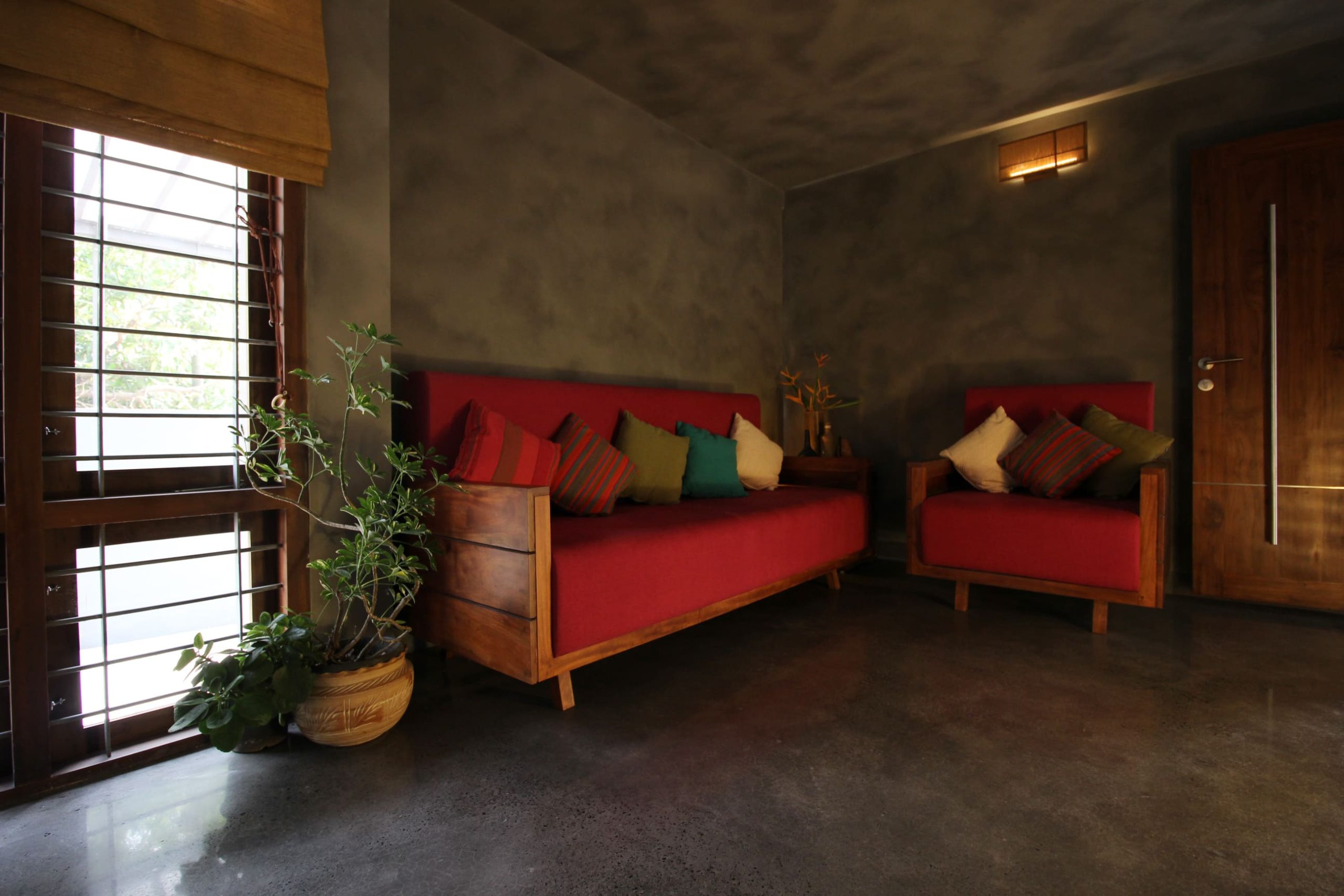
Most houses look good when the work finally gets over—fresh walls, clean flooring, and lights glowing in the evening. For a while, everything feels perfect.
But a home in Kerala is tested slowly.
Usually by rain first, then by heat, moisture, time and everyday living.
And that is when certain houses begin showing signs of stress much earlier than expected.
A small damp patch near the staircase after the monsoon. Paint peeling close to the bathroom walls. Rooms turning unusually warm during afternoons even with large windows. Water staying near outdoor areas because slopes were never properly planned.
None of these problems appears overnight. They quietly build up from small decisions made during construction. That is exactly why construction quality control matters far more than many homeowners realize.
A House Is Not Only About the Final Look
Today, many homes are planned around visuals alone. People spend months discussing elevations, imported finishes, decorative lighting, or statement interiors. But the real comfort of a home is often decided in places nobody notices immediately.
- Inside walls.
- Below flooring.
- Around drainage lines.
- Within ventilation planning.
A beautifully designed house can still become difficult to live in if the execution is careless. In Kerala’s climate, even minor mistakes grow faster because buildings constantly deal with humidity, rain exposure, and trapped heat.
This is why experienced architects in Kochi rarely treat construction as a separate phase from design. Both have to work together.
Kerala Homes Need Better Climate Thinking
Kerala homes cannot be designed carelessly. The weather here keeps interacting with buildings every single day. Heavy rain hits the walls directly for months. Moisture stays trapped in poorly ventilated rooms. Harsh sunlight heats certain spaces much faster than expected.
Older Kerala homes understood this naturally. Long verandas reduced heat. Courtyards pulled air indoors. Trees protected walls from direct exposure. Semi-open spaces made homes feel breathable even without artificial cooling.
Many newer homes lost some of that sensitivity while chasing visual trends.
Now, more homeowners are slowly returning to climate-responsive thinking again. Not because it sounds fashionable. Simply because people want homes that feel calmer and easier to live in, this shift is also shaping the sustainable architecture that Kerala families increasingly seek today.
Why Architect Supervision Still Matters During Construction?
Architecture does not end once drawings are completed. Good architects stay involved because reality on site keeps changing. Materials arrive differently. Contractors make adjustments. Unexpected conditions appear during execution. Without proper supervision, the original intent of the design can slowly disappear.
This is where construction quality control becomes important. Architects monitor workmanship, material quality, ventilation details, waterproofing methods, and finishing accuracy throughout different stages of construction.
Not to complicate the process. But to protect the life of the home later.
NO Architects approaches projects with this long-term understanding. Their work reflects a quieter, more grounded way of thinking about architecture in Kerala — where climate, construction quality, sustainability, landscape, and human comfort are treated as part of one connected experience. Because in the end, a meaningful home should not only impress people on the first day.